Tattoos and melanated skin.
Portland, OR based tattoo shop, Tattoo 34.
Education, understanding and change.
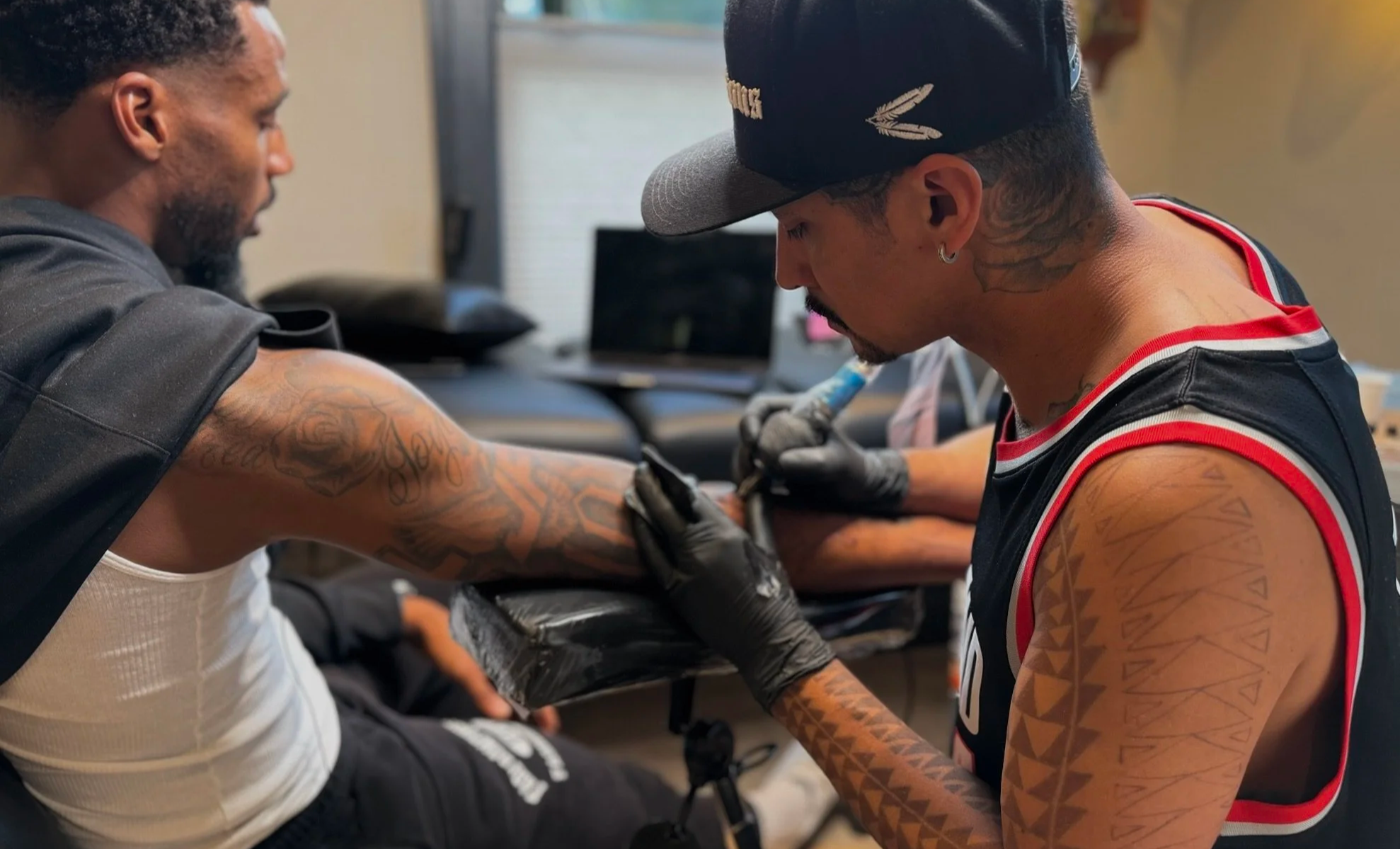
Modern tattooing has historically been, and in many ways continues to be, a white and male dominated industry, especially here in Portland, OR. Black and brown people are underrepresented in tattoo culture as tattoo artists and tattoo clients, even though the very word tattoo comes from the Samoa and Polynesian term, “tatou” and tattooing has been a form of cultural expression practiced by nearly every human society throughout history.

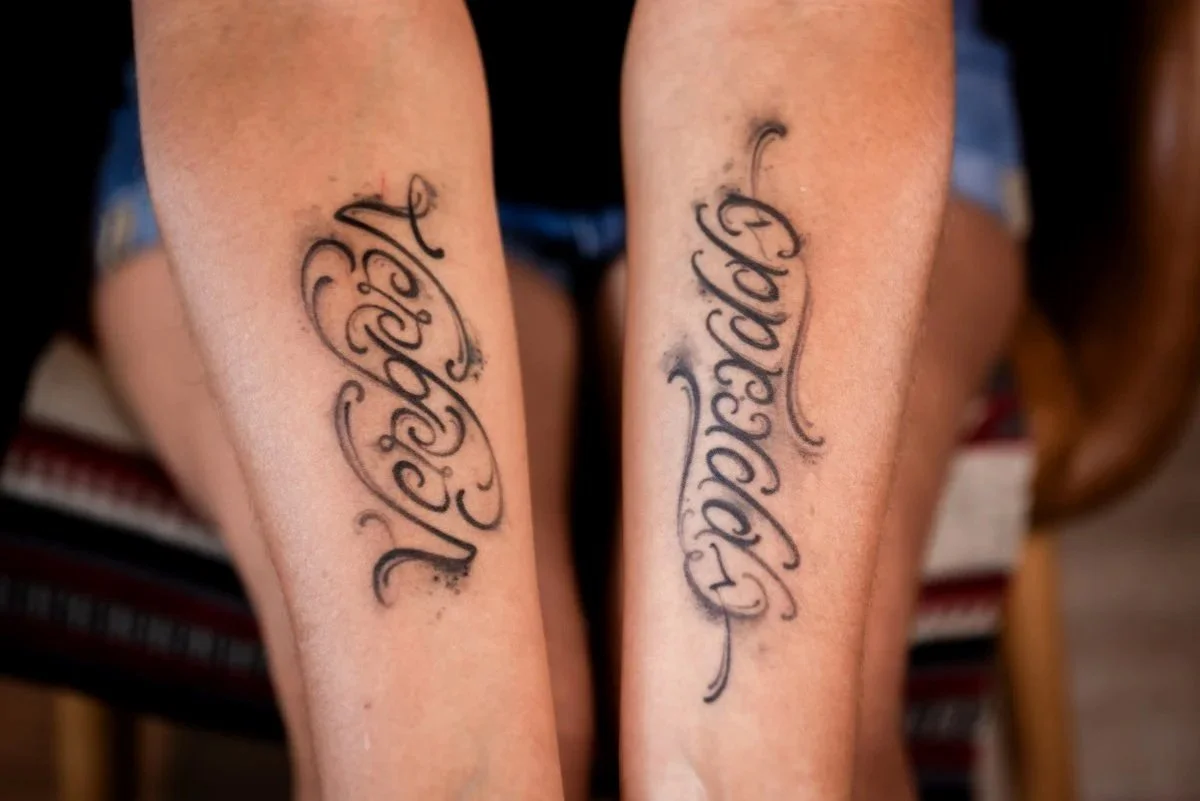
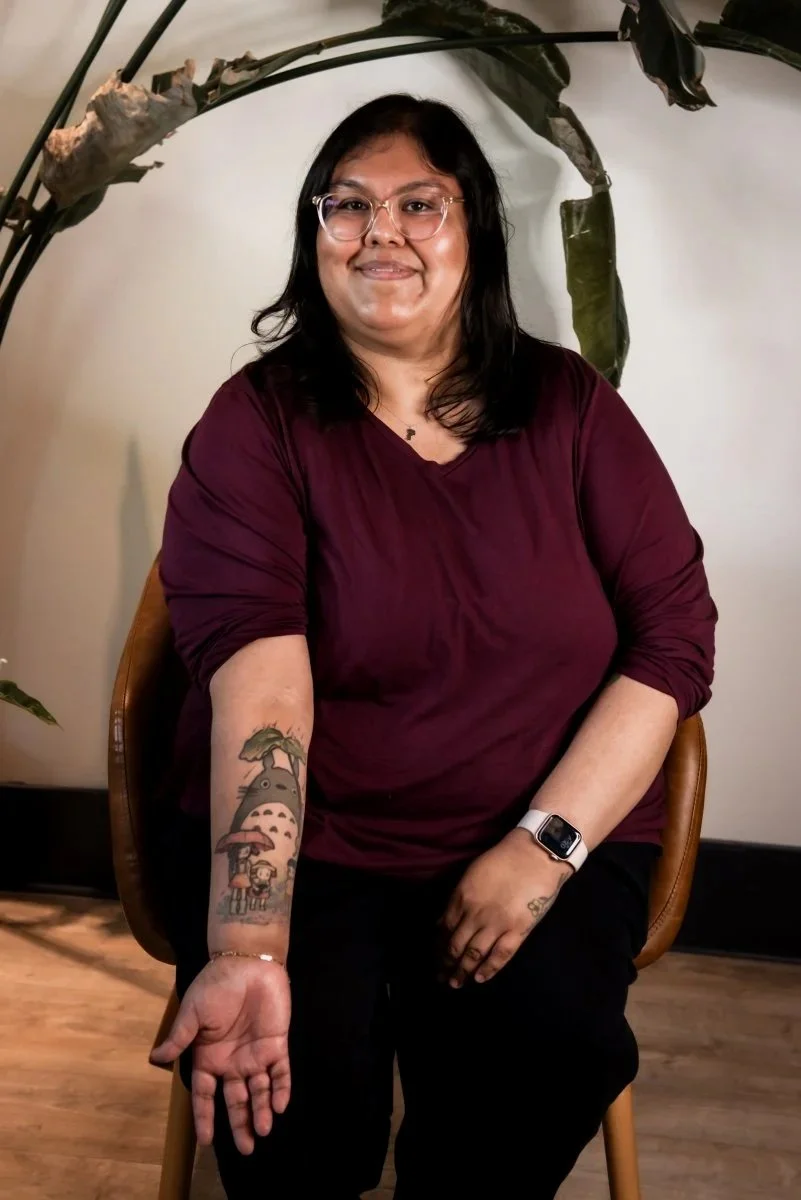
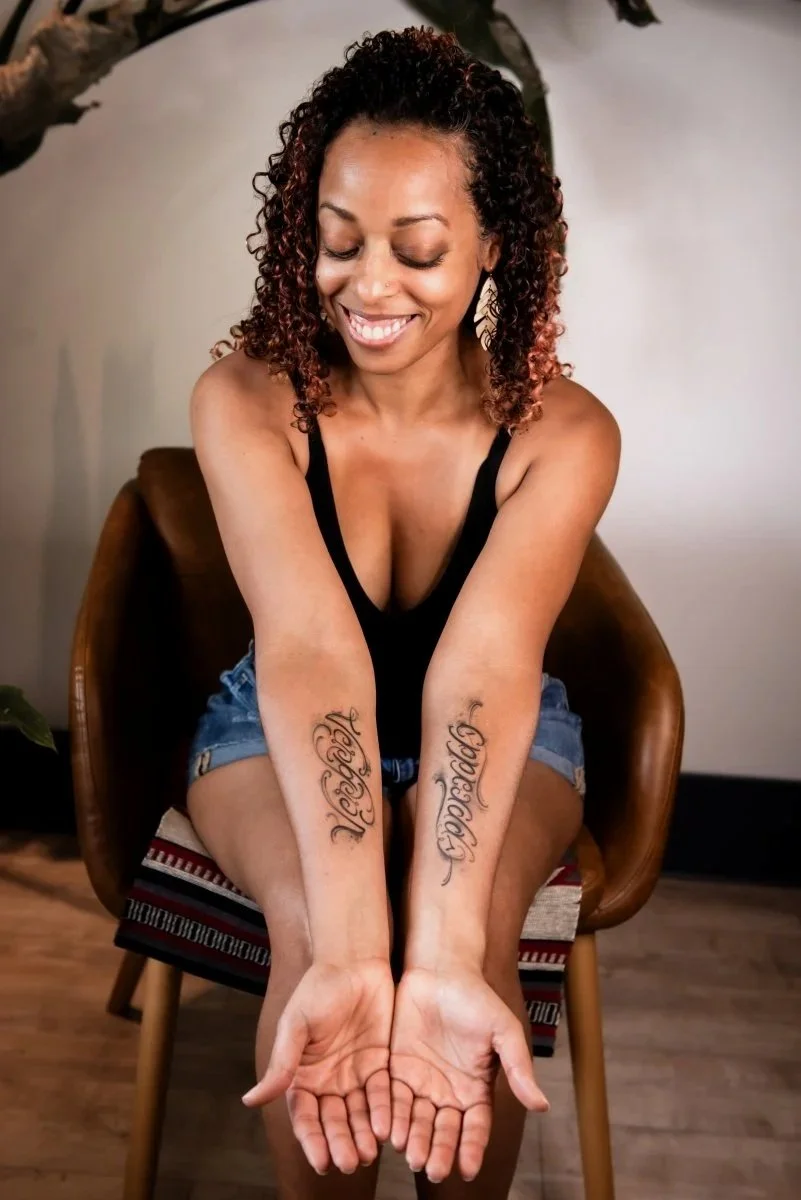
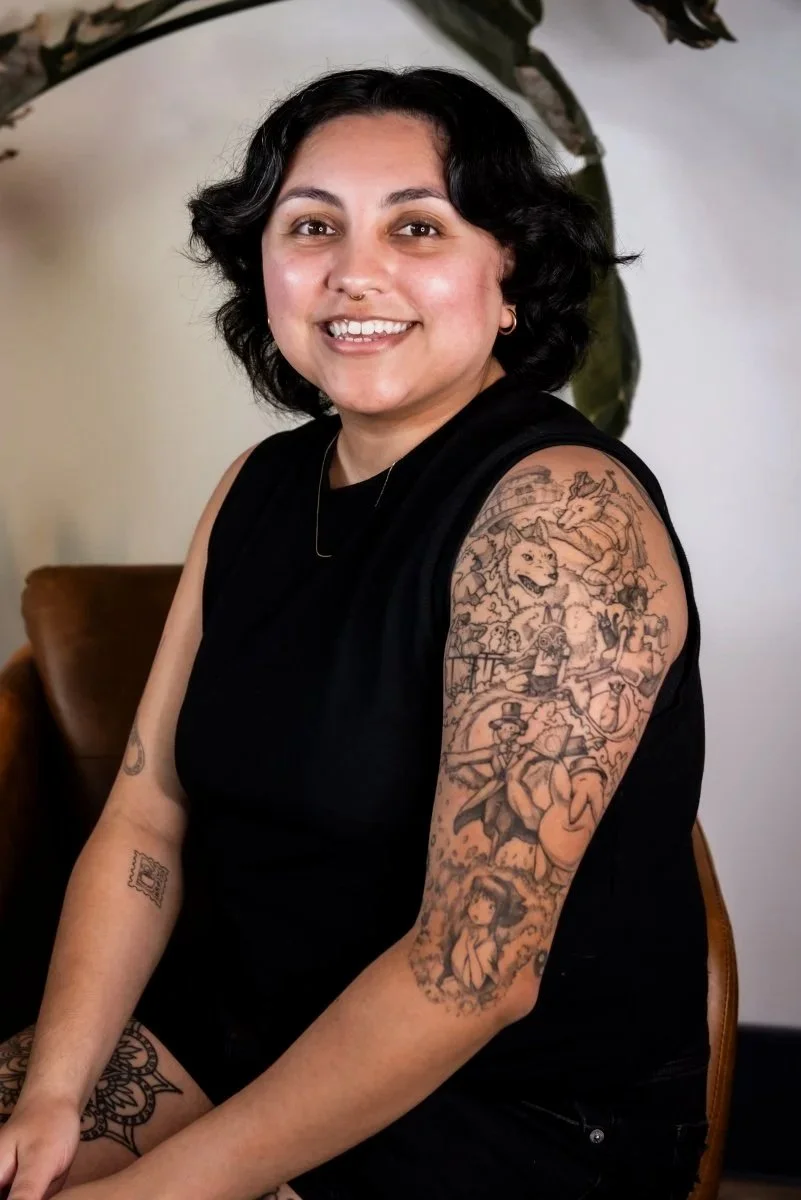
By Tattoo Artist Sham

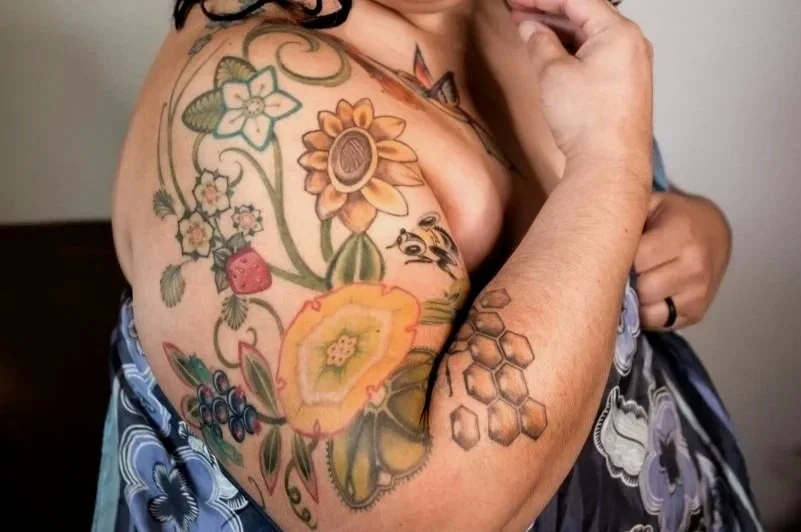
By Tattoo Artist Hanam
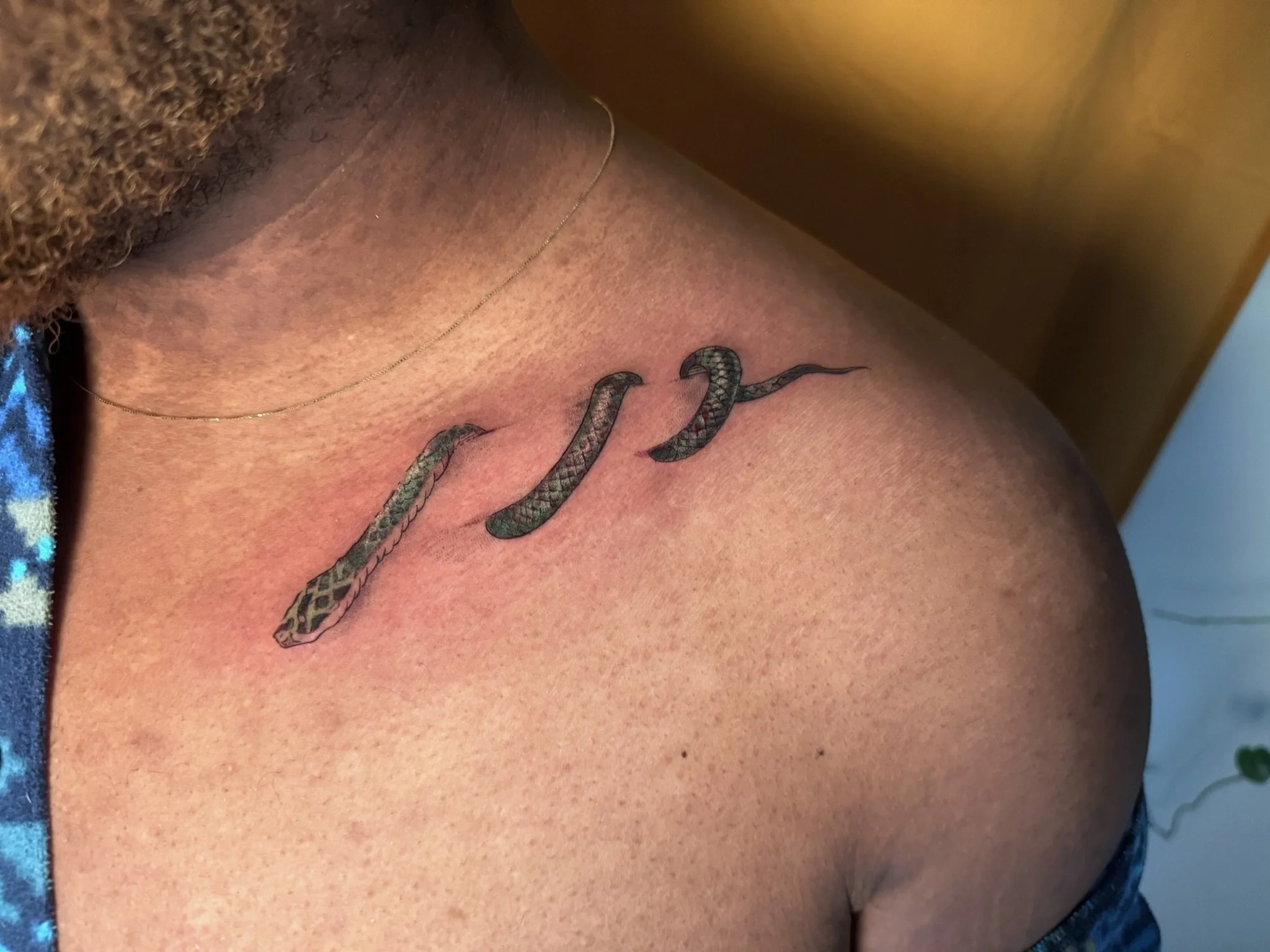
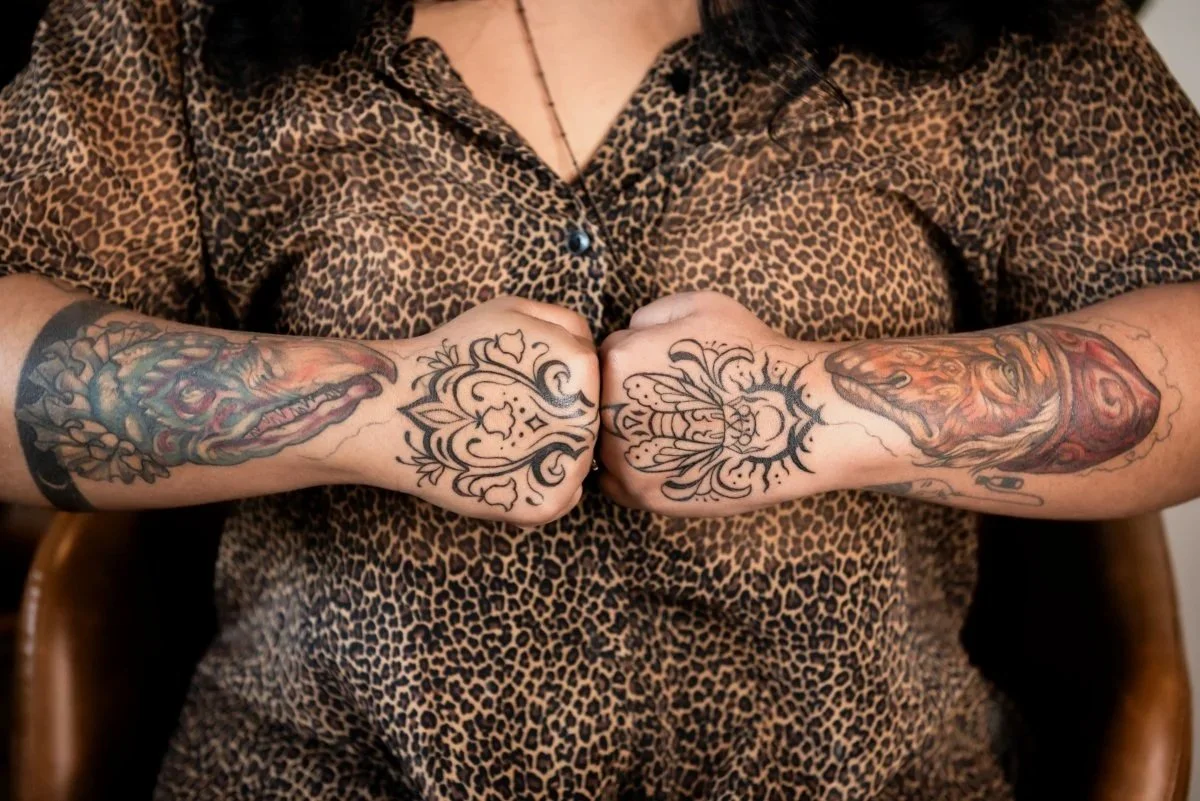
By Tattoo Artist Ciel
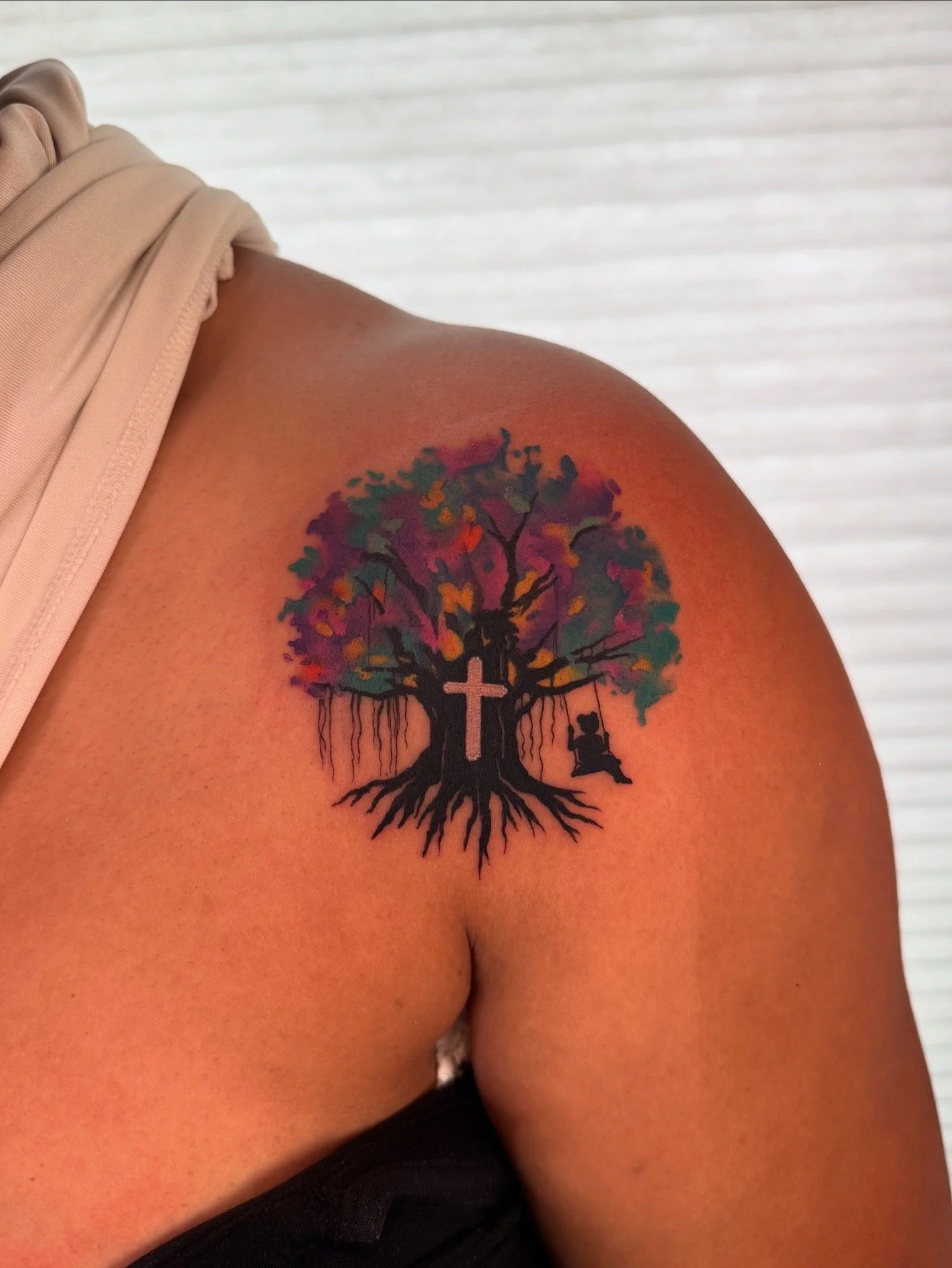
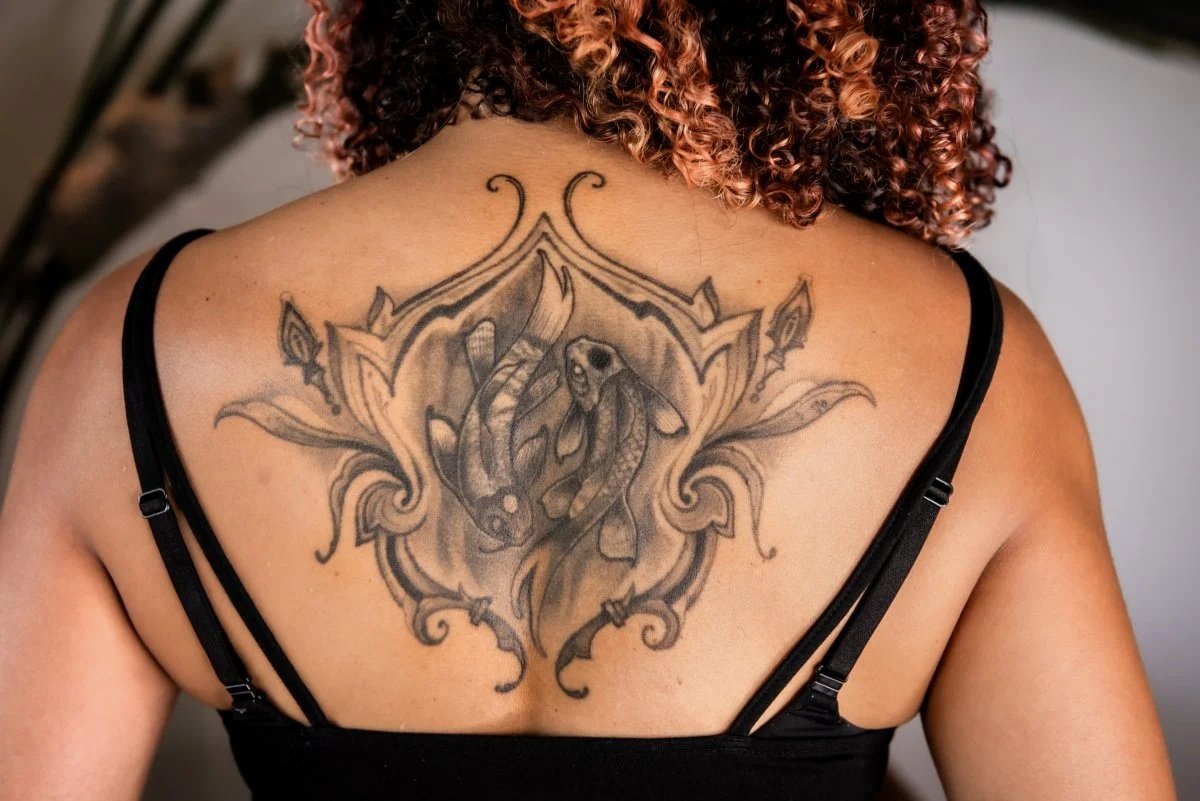
By Tattoo Artist Hanam
Myths and what is true about tattooing Black and Brown skin.
Myth: “Color tattoos don’t work on dark skin.”
Tattoo ink goes into the skin, it doesn’t sit on top, so the color of your skin is like a filter that the ink goes through rather than a blank canvas. Skin grows back over the top of the tattoo during the healing process. Your skin color will dilute the color of the ink that is used, like seeing the color through a tint. For darker skin tones, this means that the colors can end up more muted than on lighter skin tones. Colors don’t show up on darker skin tones in the same way that they do on lighter skin tones, but there are colors that compliment any skin tone.
Myth: “Black skin is harder to tattoo and scars more easily.”
The biggest factors determining how “easy” it is to tattoo any type of skin, is genetics and personal skin care- not how melanated, or not, the skin is.
Any skin tone can scar if overworked. Skin tone isn’t a factor in scar and keloid production. If an artist goes over the same area too many times or tries to pack in more color trying to get it brighter, the skin can become overworked and can potentially scar more easily during the healing process. Dark skin is more commonly overworked and if that happens, it usually has to do with the (incorrect) technique of the tattooer than the skin itself.
Myth: “Tattoos look better on light/pale skin.”
The same tattoo design using the same color ink will look different on different skin tones. It will look different on dark skin than it will on light skin and that difference can be celebrated, validated, and normalized, not criticized.
Representation of tattoos on dark, melanated, Black and Brown skin matters. Without more representation of tattoos on darker skin, the limited and false ideas of what is beautiful, achievable and “right” will continue to be perpetuated.
How to Advocate for Yourself & Choose Your Tattoo Artist
The right tattoo artist should welcome questions.
Skin Undertones.What ink colors or palettes work well and compliment my skin tone?
Are there colors you would adjust or avoid to maintain contrast once healed?
Knowing your undertones (warm, cool, or neutral) helps artists choose pigments (ink) that compliments your skin tone.
Color Tattoos.Your skin acts as a natural filter over tattoo ink.
Do you understand color theory?
How do you use white ink on darker skin?
An artist should have consistency in color packing, and not overwork to try and make it brighter; that can do more harm than good. You want a tattoo artist who won’t overwork your skin- trying to get a different color result.
Tattoo Design.What approaches do you use to plan contrast and clarity (and black ink)?
What sizes and placement will help the design read well on my skin?
Often, larger designs with more negative space allow color and line work to stay visible and age better over time (on any skin tone), it just depends on the tattoo style you want.
Things you should never hear from a tattoo artist, as a melanated client:
“Color doesn’t work on dark skin.”
“We’ll just use more white.”
“That design won’t look good on your skin.”
Tattoos on darker skin tones by Tattoo 34 tattoo artists.
No filters. Tattoos on Tattoo 34 clients.
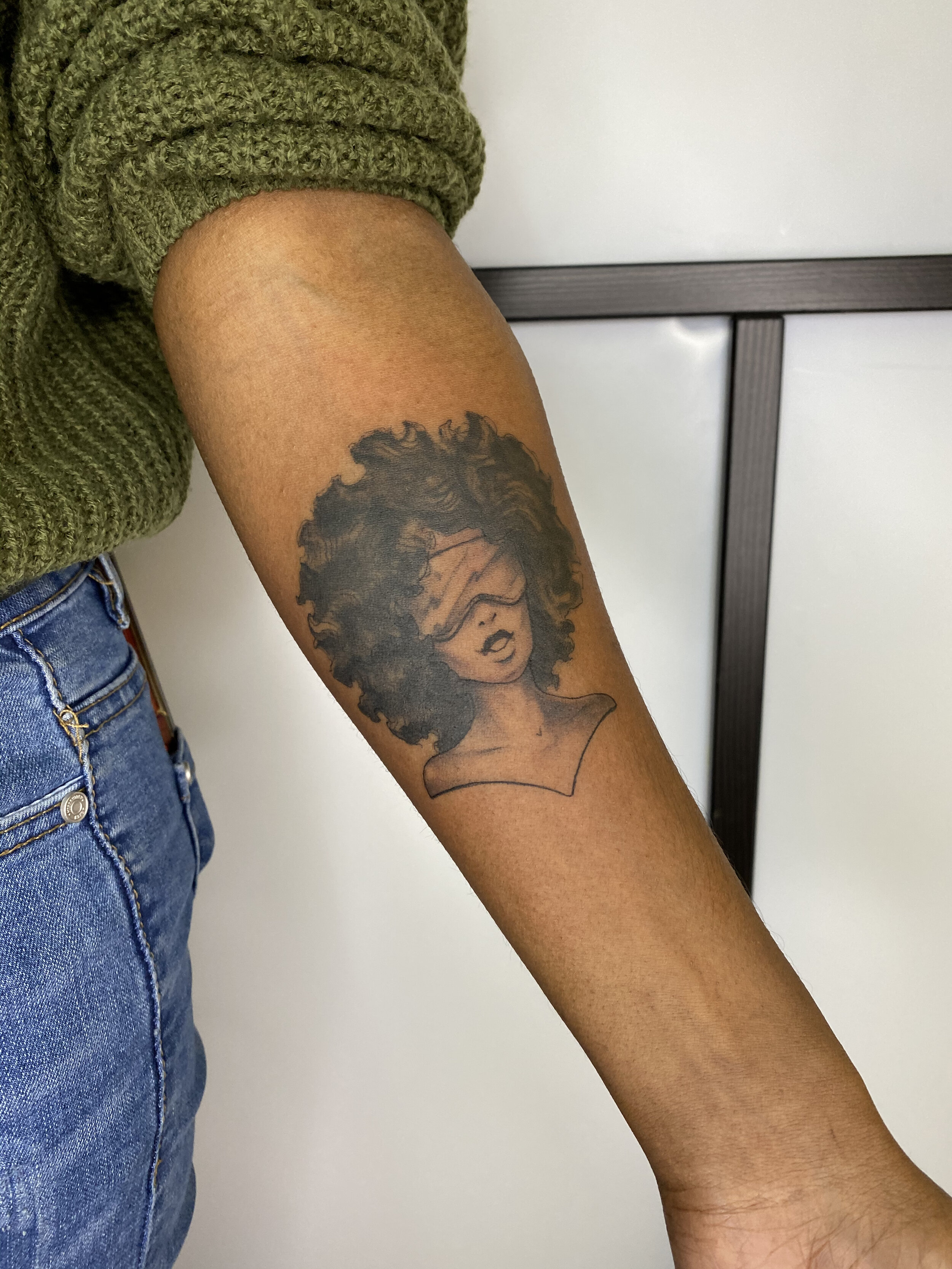
By Tattoo Artist Toby
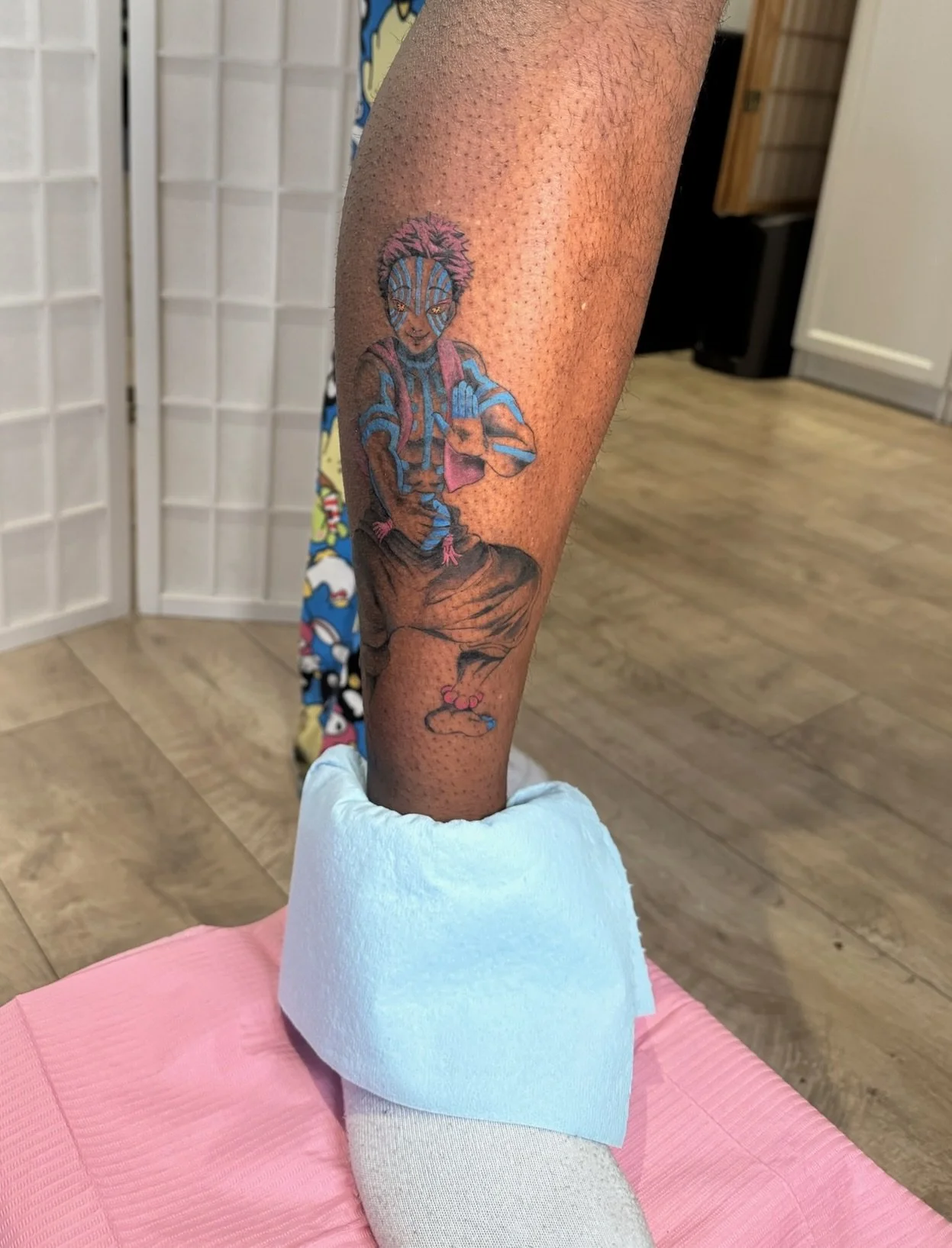
By Tattoo Artist Sham
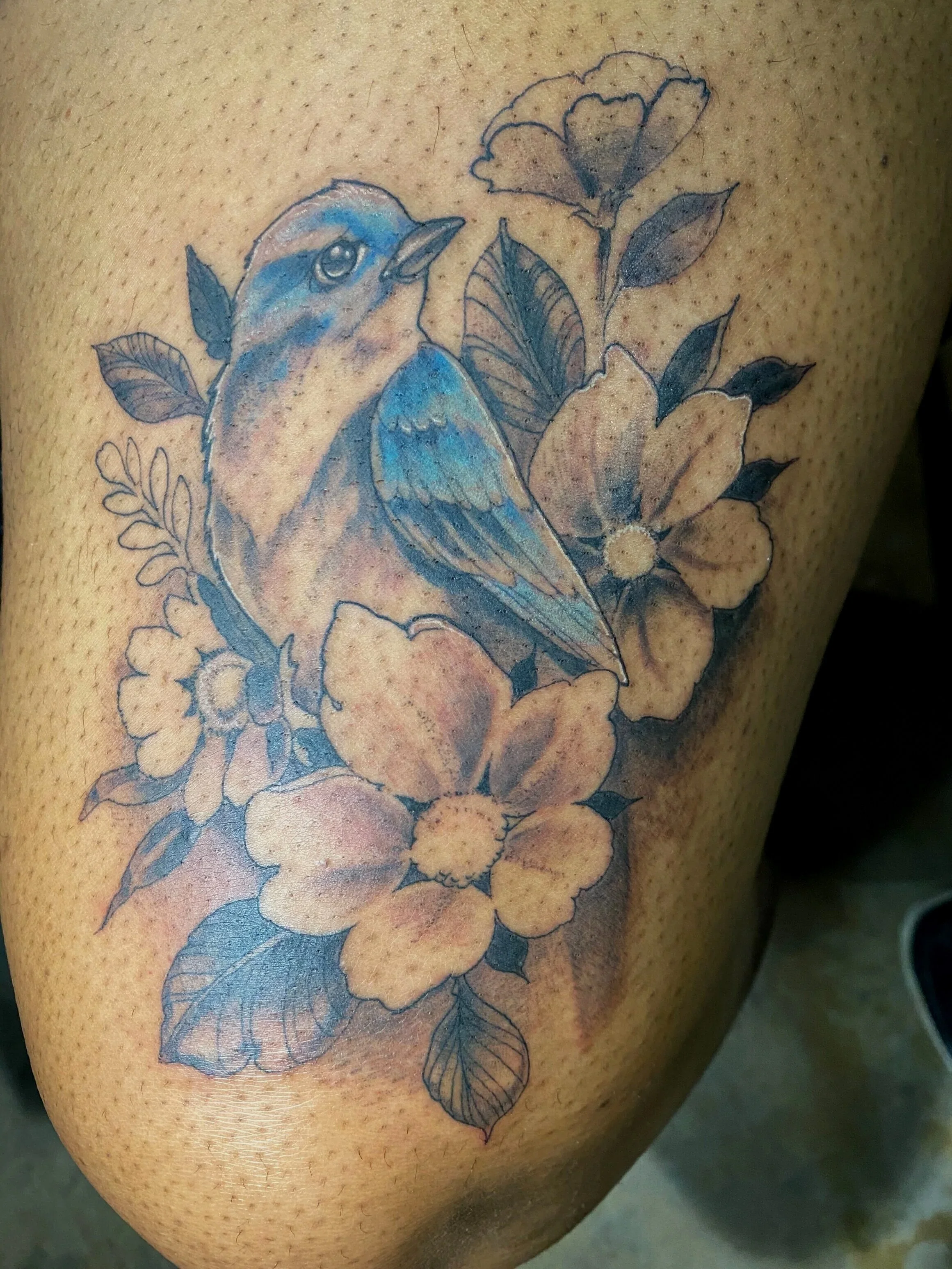
By Tattoo Artist Toby
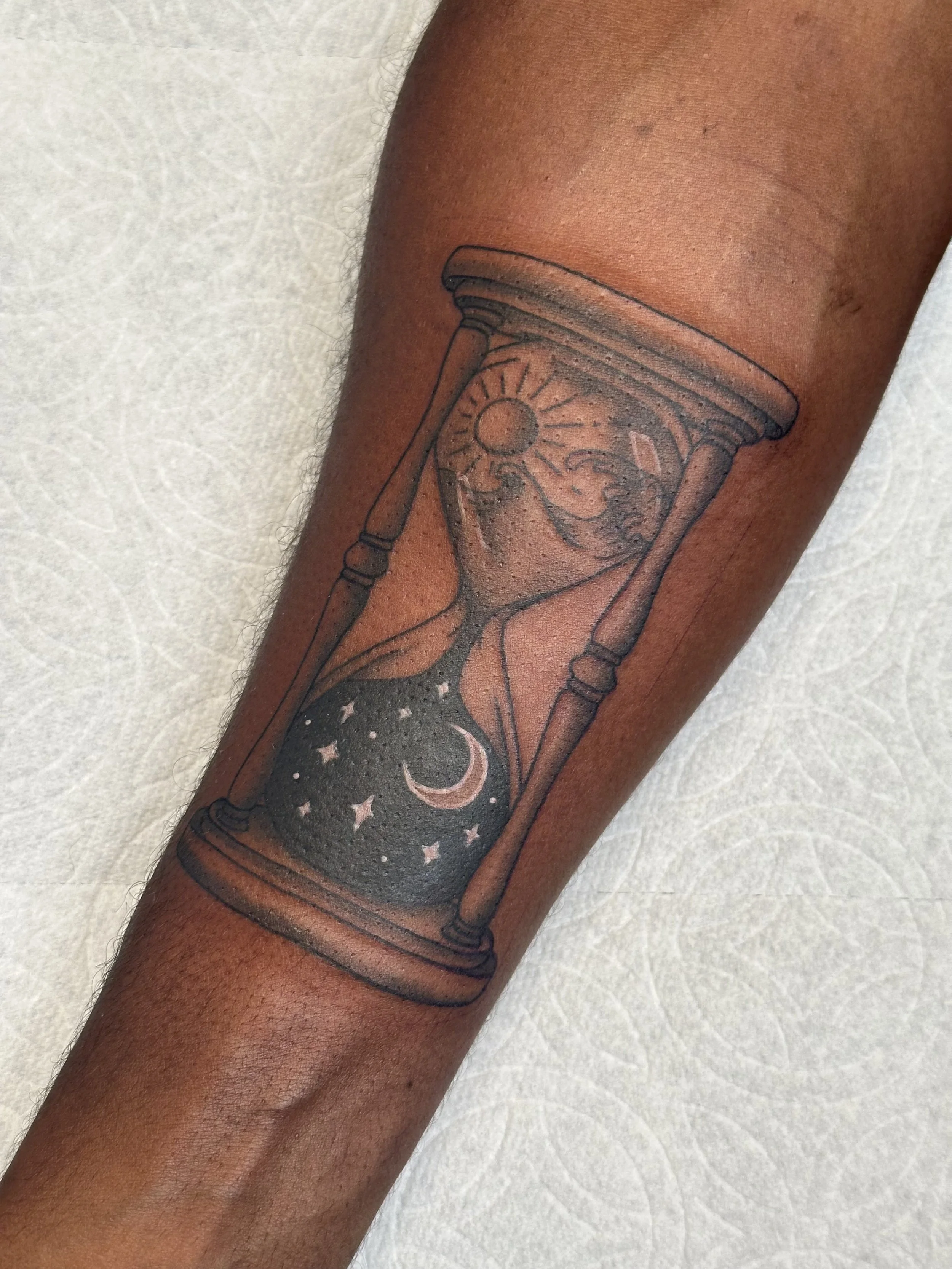
By Tattoo Artist Sierra

By Tattoo Artist Hanam
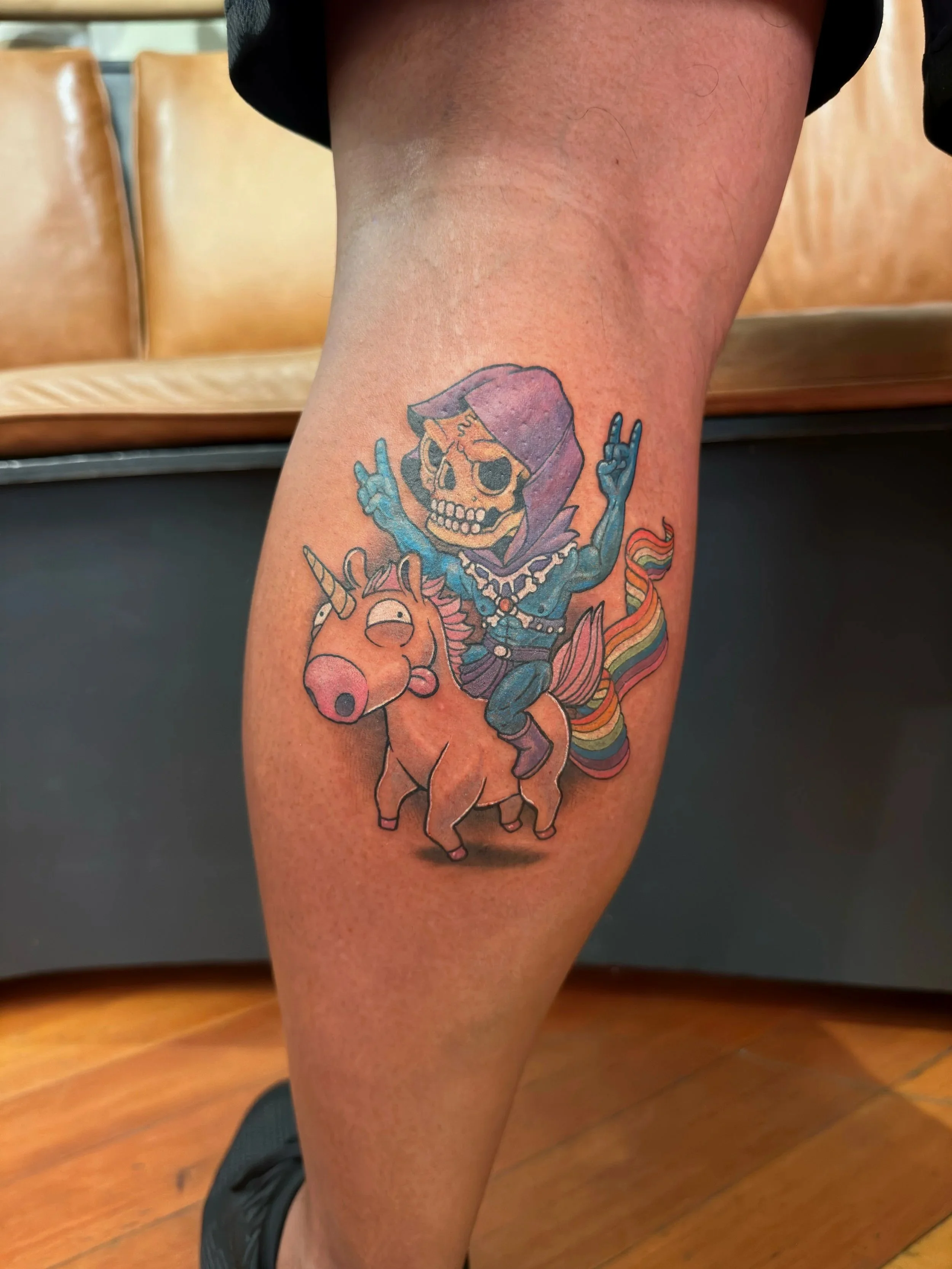
By Tattoo Artist Hanam

By Tattoo Artist Sierra

By Tattoo Artist Hanam

By Tattoo Artist Ciel
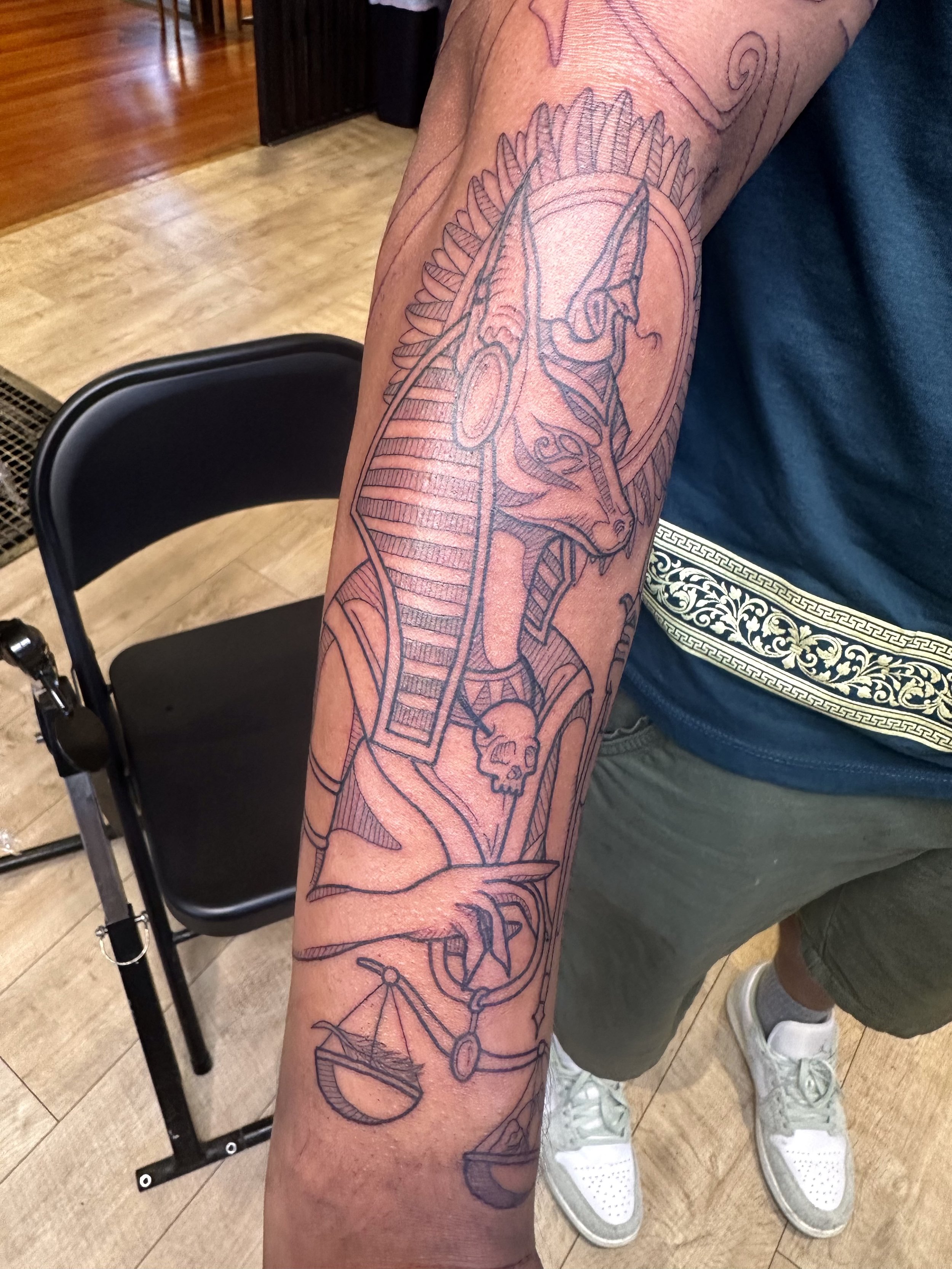
By Tattoo Artist Sierra

By Tattoo Artist Hanam

By Tattoo Artist Ciel

By Tattoo Artist Sham
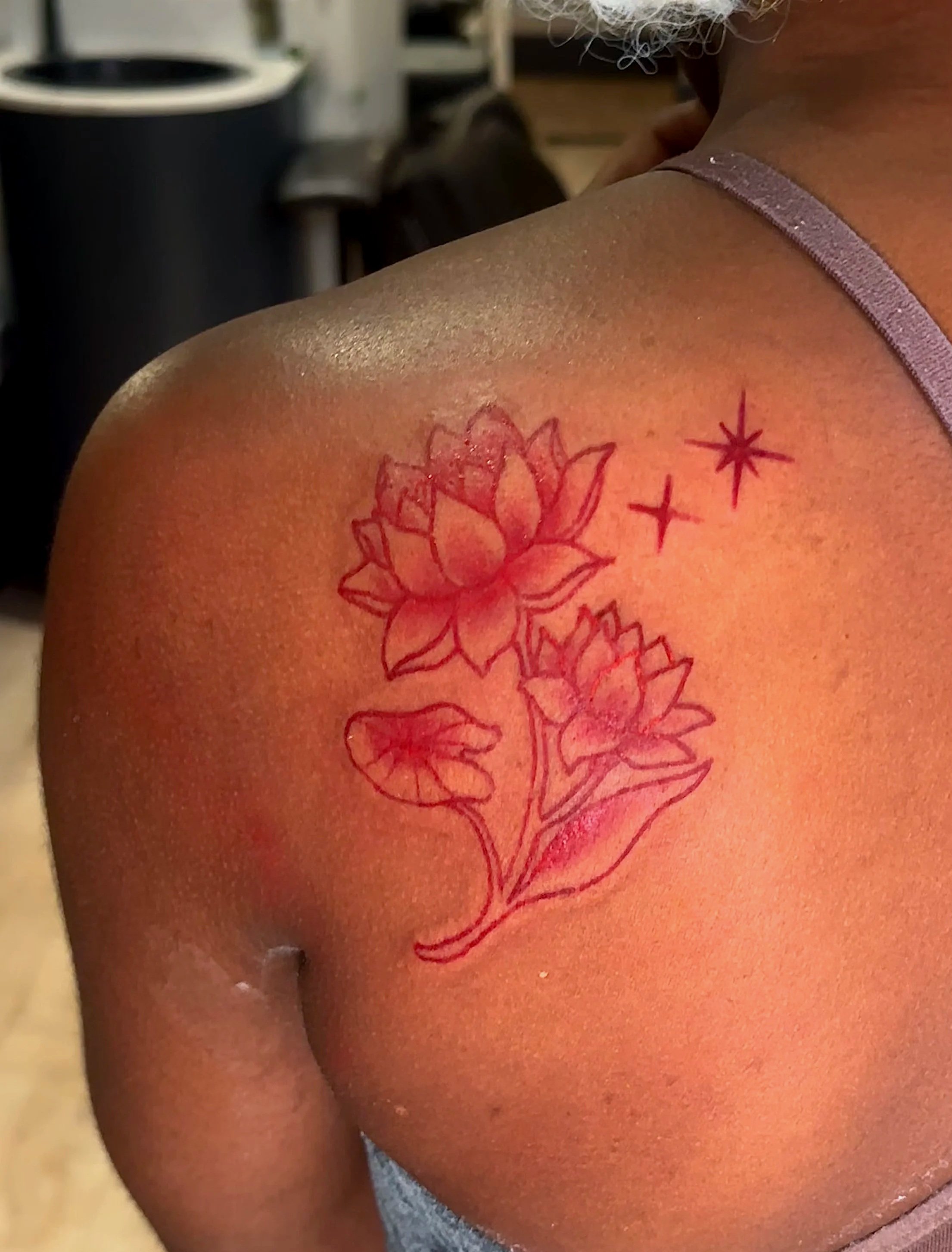
By Tattoo Artist Sierra

By Tattoo Artist Hanam
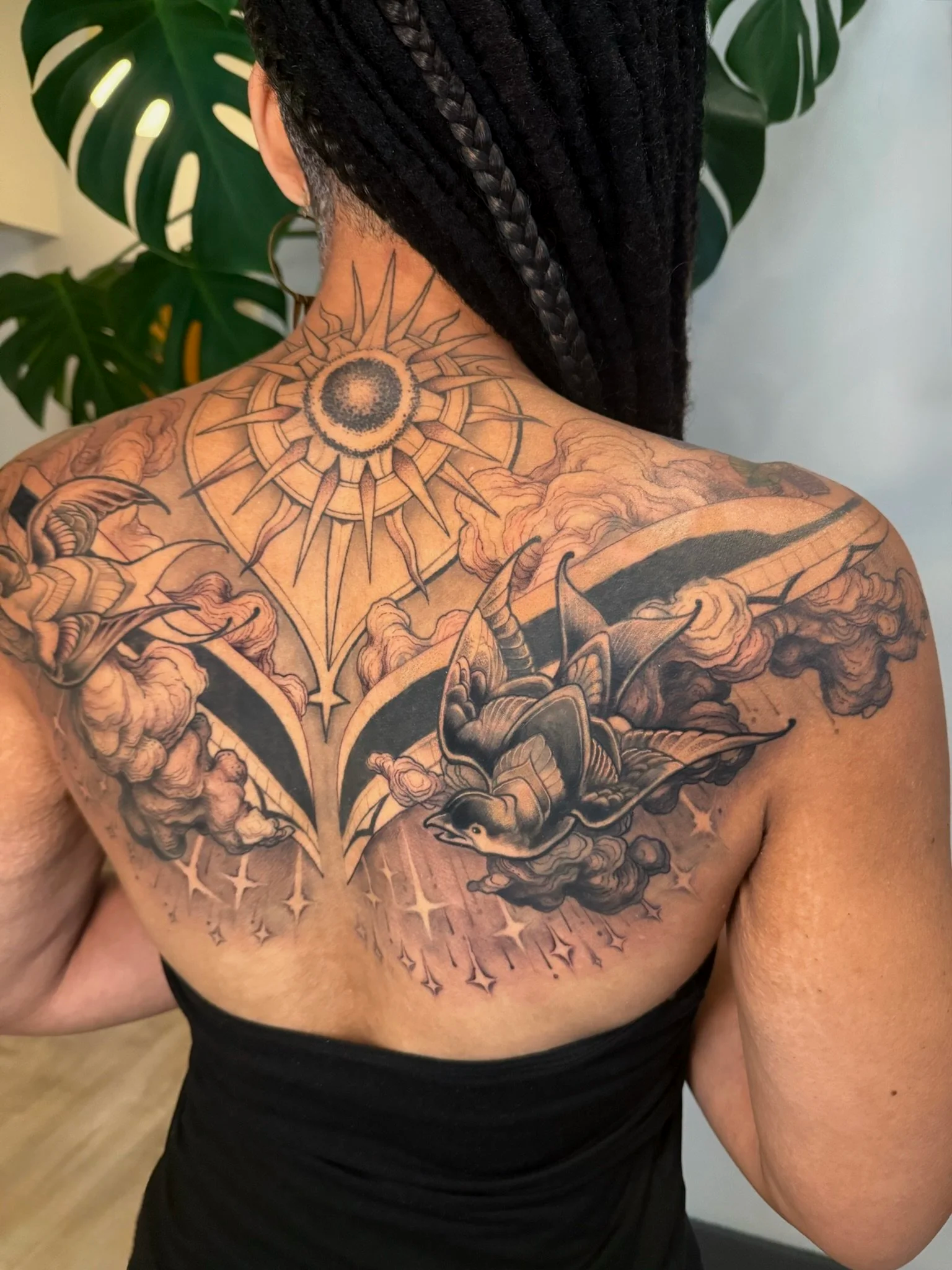
By Tattoo Artist Toby
Color tests.
Color tests, also known as palette tests or swatch tests, is a process used to test a range of ink colors on clients who want to see how the variations of colors and ink brands will heal for them. Concerns can be visibility on skin tone or allergies to ink colors. A color test can be small dots, lines or a simple design that gives you a chance to see how colors heal for you and how they look.
Color tests can be helpful, but keep in mind- they are not the final predictor of how a tattoo will look once heal. What matters most is contrast, not just color placement.
Clients are welcome to request a color test in conjunction with their already scheduled tattoo appointment.

By Tattoo Artist Toby
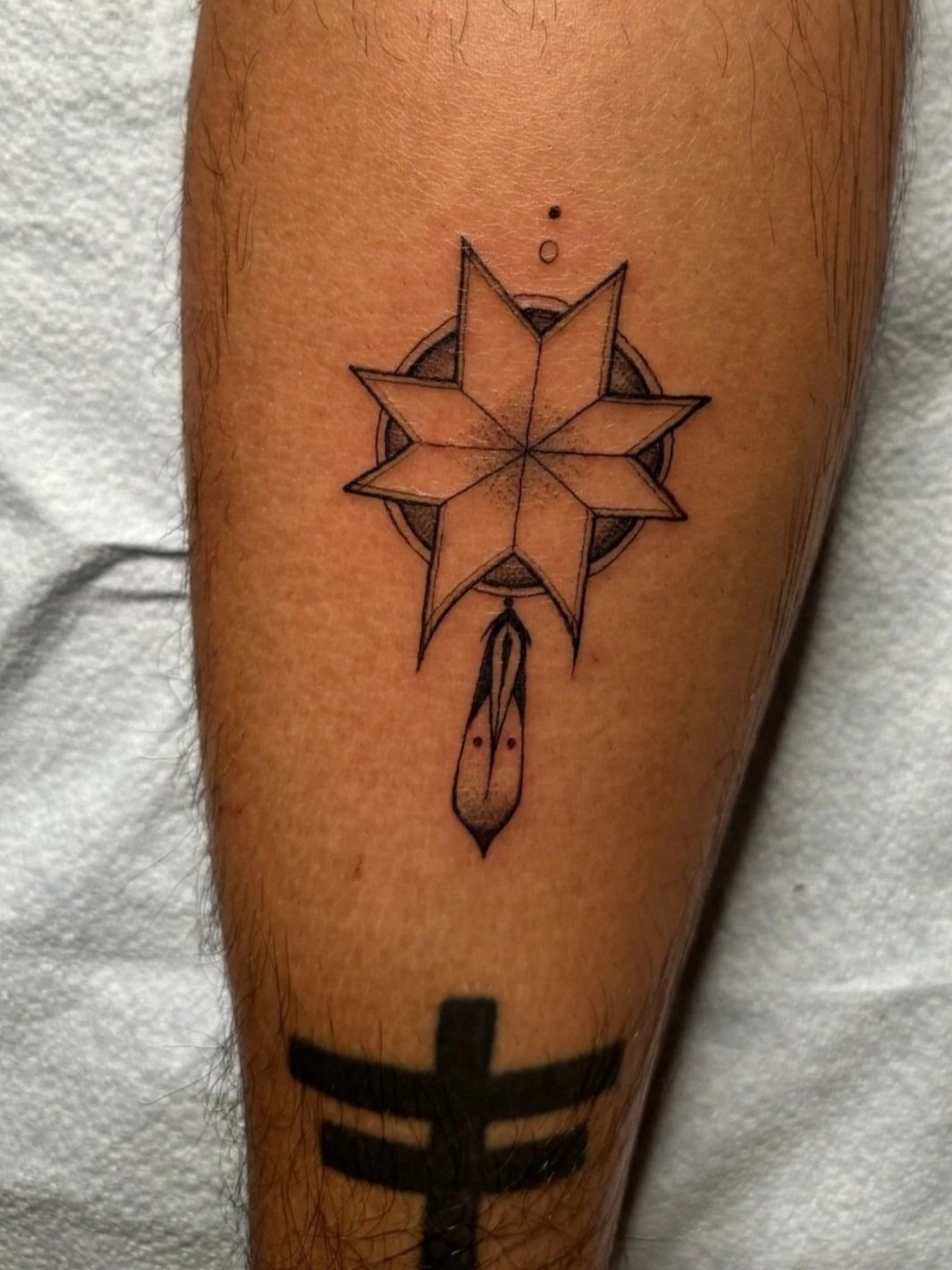
By Tattoo Artist Toby

By Tattoo Artist Ciel
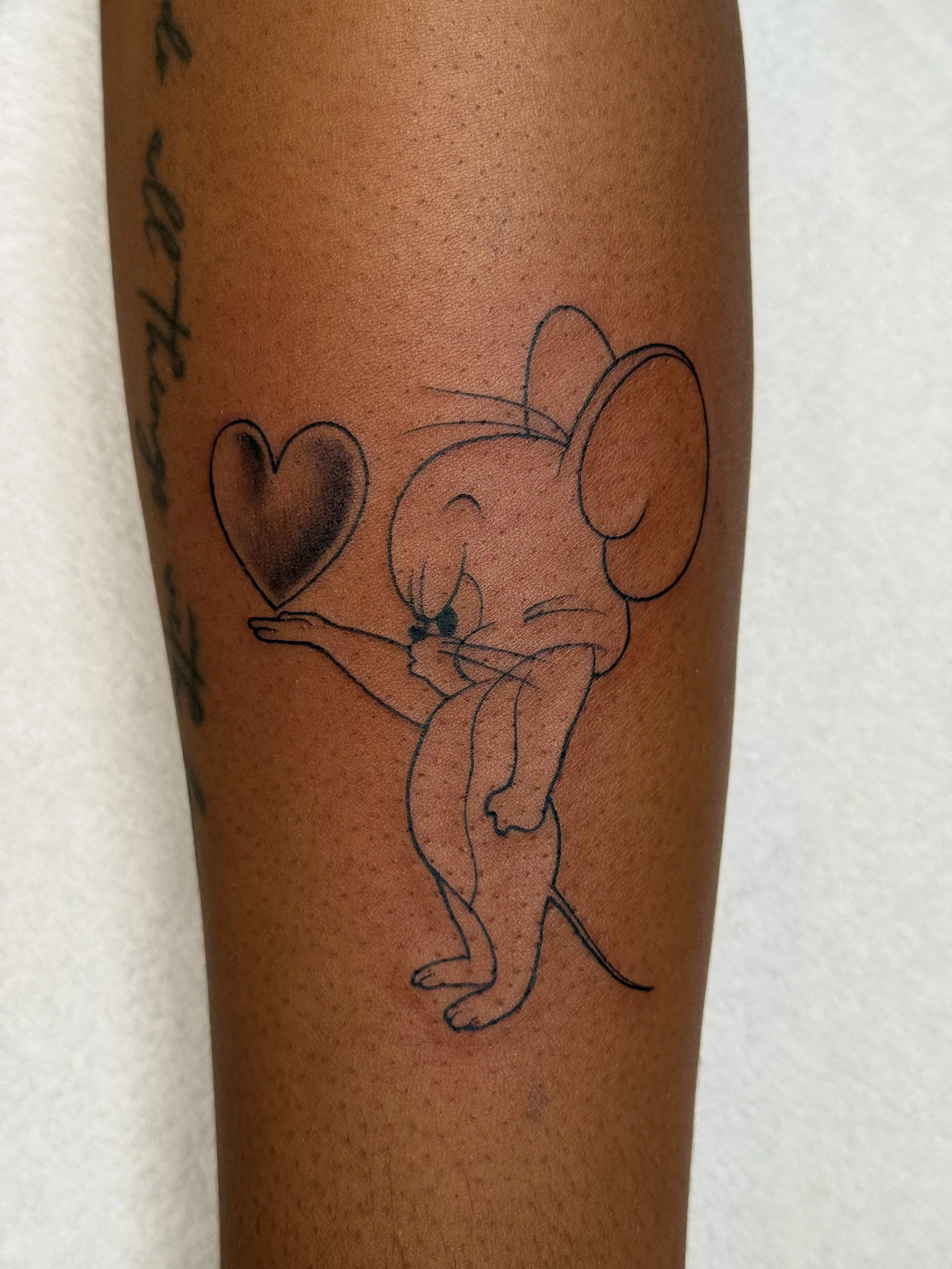
By Tattoo Artist Hanam
Help us show more of our tattoos (especially healed) on melanated skin by sharing yours with us!
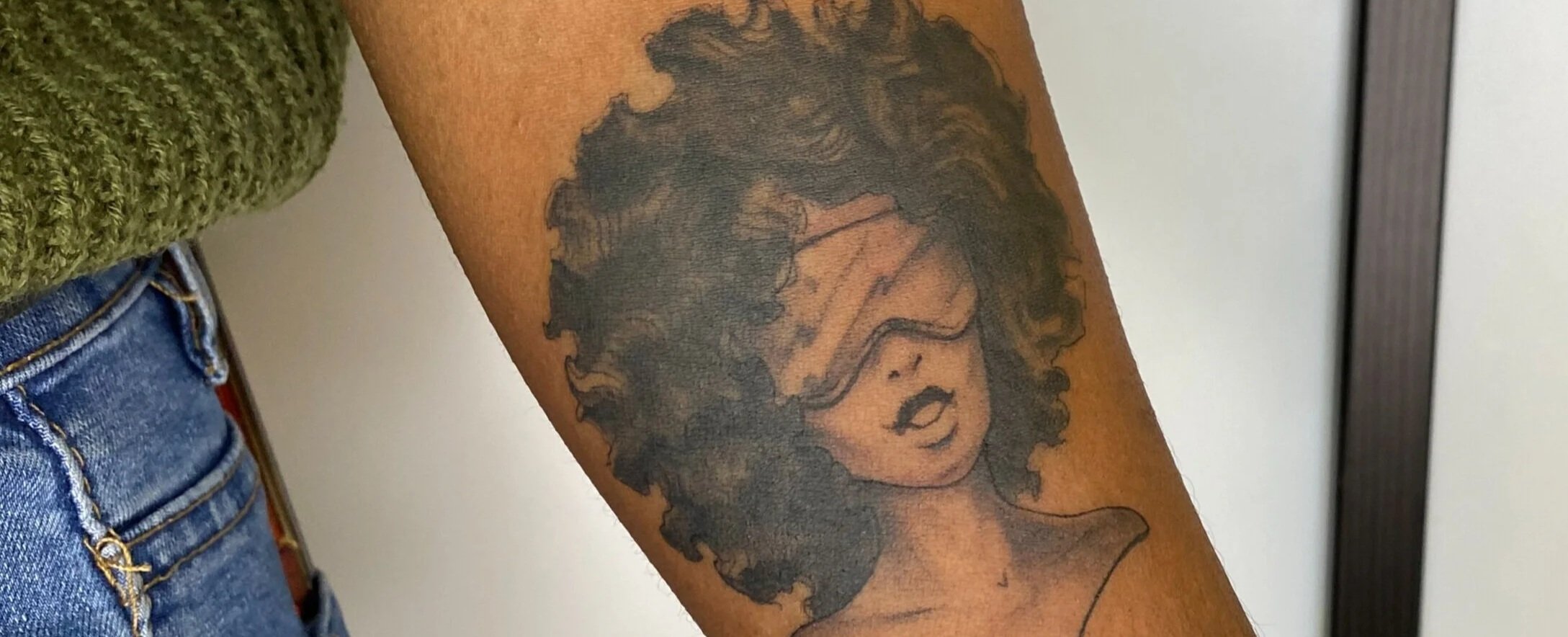
Help change the tattoo industry in Portland, OR.
Modern tattooing has historically been, and in many ways continues to be, a white and male dominated space. Tattoo 34 is committed to supporting BIPOC- Black, Indigenous, People of Color- artists who are working to enter the tattoo industry in Oregon, where a state tattoo license is required.
In Oregon, aspiring tattoo artists must complete formal tattoo training through a licensed tattoo school unless they were already tattooing in another state. The tattoo school and licensing process can be expensive (often exceeding $10,000) and can be difficult to navigate.
While the Oregon tattoo school system is not without criticism, it does provide a structured path and the opportunity to tattoo for anyone who can access it and afford the training. Traditional tattoo apprenticeships, on the other hand, are often limited to those who are able to secure one.
This is where we saw a need, and why we are starting a fund for aspiring BIPOC tattoo artists who are enrolled in an Oregon tattoo school. Our goal is to help create a more diverse tattoo industry in Oregon.
As a small, family-run tattoo shop, our resources are limited, but we believe in helping create more access and opportunity within the tattoo industry. Tattoo 34 and our tattoo artists have already donated knowledge, time and financial support to several BIPOC artists. We are now working to grow and formally implement this fund to expand that support.
To donate directly to this fund (100% of the donations will go directly to BIPOC artists in the Oregon tattoo school system):
Please reach out (info@tattoo34pdx.com) if you or your organization would like to contribute, collaborate, or participate in future fundraising events or efforts!
To inquire about receiving funds (you must be BIPOC and currently enrolled in a tattoo school in Oregon):